Kenya does not have a bad season for wildlife. What it has is a calendar where every month opens a different door, and the right question is not whether to go but which experience you want and which parks deliver their best version of that experience at the moment you arrive.
The common advice — “go in the dry season” or “go for the migration” — is not wrong, but it collapses a remarkably varied calendar into a single answer. This guide breaks down each month so you can match your dates to the specific experience you are actually planning around.
Understanding Kenya’s Two Rainy Seasons
Kenya splits into two wet periods and two dry periods each year. Getting this framework right makes the rest of the planning straightforward.
Long Rains: March through May. The heaviest rainfall of the year. Some tracks flood in the Masai Mara. Certain camps close for maintenance. Wildlife remains present but game drives become more challenging as vegetation thickens. Prices drop 30-40% below peak.
Short Rains: October into November. Lighter and more localized than the long rains. Afternoon showers, generally clear mornings. Most camps stay open. This is an underrated window that experienced safari-goers use deliberately to avoid July-August crowds.
Dry Season (Peak): July through October. The great wildebeest migration reaches Kenya. The Mara River crossings happen. Lion and predator activity is at its most visible. This is the most popular and most expensive window.
Dry Season (Shoulder): January and February. Calving season in Tanzania’s Serengeti. Amboseli is at its most photogenic. Samburu is excellent. Fewer visitors than peak months at meaningfully lower prices.
Month-by-Month: Kenya Safari Guide
January and February
These two months are consistently undervalued by first-time planners. The short rains have ended, skies are clear, and animals concentrate around permanent water sources across the country.
Amboseli is at its best in January and February. Kilimanjaro sits sharp and snow-capped on the horizon, elephant herds are large and active near the swamp systems, and elephant calves born in November and December are young and photogenic. The combination of clear mountain views and active wildlife is difficult to beat.
Samburu National Reserve also performs very well during these months. Vegetation stays low after the dry period, making the Samburu Special Five — reticulated giraffe, Grevy’s zebra, Beisa oryx, gerenuk, and Somali ostrich — easy to find. The Ewaso Nyiro River anchors wildlife activity in a way that makes drives productive and predictable.
For travellers combining Kenya and Tanzania, February is the best month to pair a Kenyan circuit with a Ndutu calving ground visit. The wildebeest calving is happening in the southern Serengeti, and the predator activity around the calving grounds is extraordinary.
Prices are typically 15-25% below peak rates. This is the planning sweet spot for travellers who want quality without the high season premium.
March
March is a transition month that deserves more credit than it usually gets. The first two weeks often remain dry and deliver excellent game viewing. By the third week, showers begin, the grass greens up fast, and wildlife starts to disperse across the recovering plains.
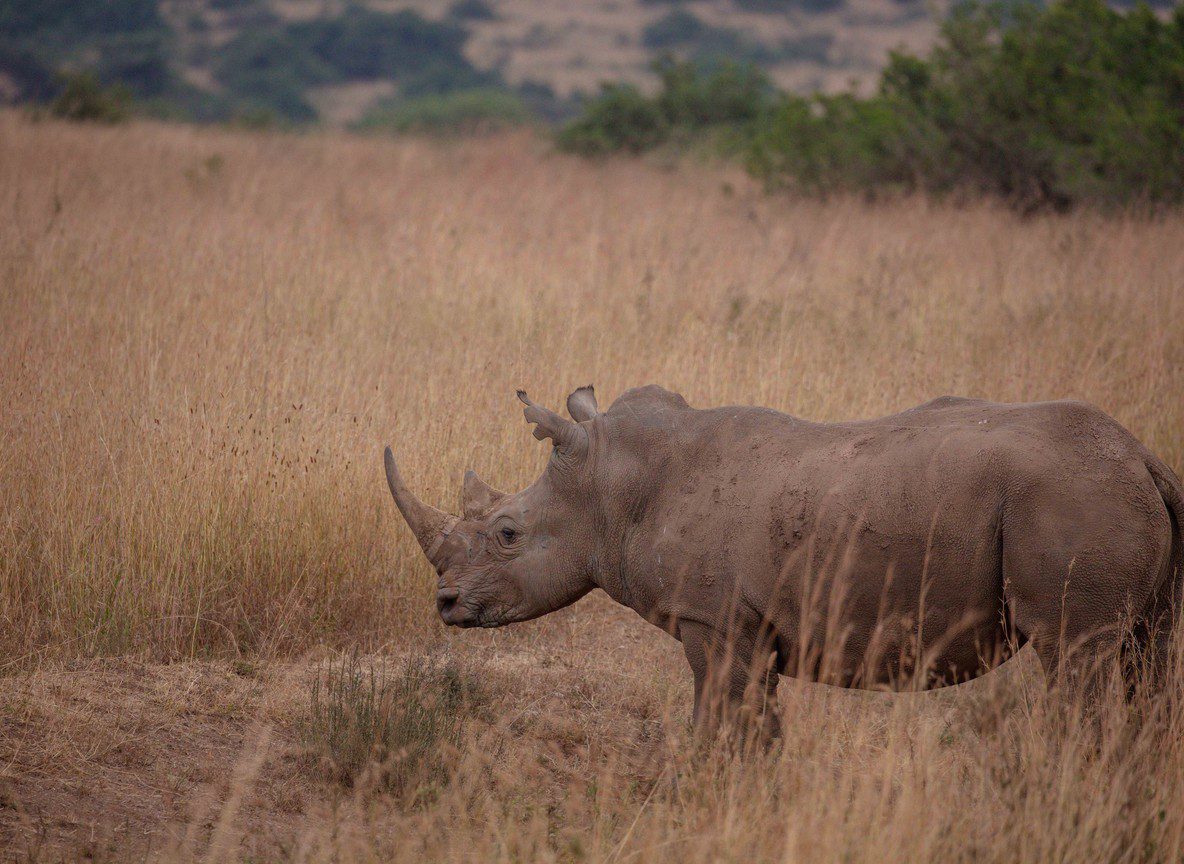
For budget-conscious travellers with flexible dates, the first half of March is a strong choice — dry-season sightings at lower prices. The Laikipia Plateau is particularly good in March; its conservancies rarely flood, and black rhino access is among the best in Kenya throughout the dry-to-green transition.
April and May
April and May are Kenya’s green season. The long rains peak, and the savannah turns an almost implausible shade of emerald. This is when you get the landscape photographs that look too beautiful to be real.
The trade-offs are genuine: some roads become difficult, smaller camps close for annual maintenance, and afternoon storms require flexibility in the daily schedule. But the rewards are significant for the right traveller.
Green season is when Kenya’s birdlife peaks. Migratory species from Europe and Asia are present, resident species are nesting and active, and the flowering acacias attract dozens of species at once. For birders, April and May are among the best months in the region.
Wildlife is present but dispersed. Predators are harder to locate when prey animals spread across the newly lush plains rather than clustering at permanent water. You compensate with dramatic skies, near-empty camps, and rates that sit 30-40% below peak. For photographers who want dramatic light and green landscapes, or travellers who value near-total exclusivity, the green season delivers something peak season cannot replicate.
June
June marks the return of dry weather in the Mara. Wildebeest columns begin pushing north from the Serengeti in earnest. Game density in the Masai Mara is building. Camps are not yet at full capacity.
This makes June a smart entry point for migration viewing. You capture early-season movement before July prices and crowds arrive. The Laikipia Plateau and its conservancies — Ol Pejeta, Lewa, Loisaba — are excellent in June for non-migration wildlife: elephants, black rhinos, lions, and African wild dogs in landscapes that are still partly green.
Book June travel at least five to six months in advance. The best camps fill for July and August first, then clients shift into June. Availability goes faster than most first-time visitors expect.
July and August
July and August are the months that built Kenya’s safari reputation. The great wildebeest migration is in full movement through the Masai Mara. Mara River crossings are happening at multiple points. Up to 1.5 million wildebeest, 200,000 zebras, and 300,000 Thomson’s gazelles are present in the ecosystem in enormous concentrations.
The photography case for July is strong: elephant herds, open short-grass plains, and Kilimanjaro visible most mornings in Amboseli if you divide your safari. In the Mara itself, July delivers the early crossings with slightly more space than August.
August is peak crossing season. The wildebeest have fully committed to the Mara ecosystem. Crossings happen daily at multiple points. Lion hunting at the river is one of the most intense wildlife spectacles anywhere in Africa. If seeing a Mara River crossing is the priority, August is the most reliable window — but prices are at their annual highest and camps book six to twelve months in advance.
| Month | Migration Stage | Best Park Focus | Crowd Level | Price Index |
|---|---|---|---|---|
| July | Early crossings building | Mara Triangle, Sand River | High | Peak |
| August | Peak crossing season | Full Mara, River North and South | Highest | Peak |
| September | Active crossings continuing | Full Mara | High | Peak |
| October | Migration retreating south | Amboseli, Laikipia | Medium | Shoulder |
September
September is the sweet spot of the Kenya safari calendar for experienced travellers. Migration crossings continue — wildebeest are still in the Mara in large numbers. But visitor numbers drop noticeably as school holidays end in Europe and North America.
The result is nearly August-quality sightings with meaningfully more space. Camps are not at full occupancy. You can often have a crossing-point position with fewer competing vehicles than you would have in August. Prices ease slightly below August peaks.
For photographers who want the migration without the August intensity, September is consistently the answer.
Samburu is also excellent in September. The Ewaso Nyiro River is at its lowest, concentrating wildlife along its banks, and the specialist Samburu species are easy to find. A combined Samburu-Mara itinerary with September travel is one of the stronger Kenya safari configurations.
October
October brings the short rains. The wildebeest depart the Mara by mid-October, heading south into Tanzania for calving season. The Mara transitions from migration spectacle to resident wildlife — which is still excellent, just different.
The short rains green up the landscape quickly, and October’s mixed character — partly dry, partly recovering — produces beautiful light. October is also the best month for the Kenya coast. Diani Beach, Watamu, and Malindi are warm and beginning to dry out after the rains, with building snorkeling and diving conditions.
For a combined safari-and-coast itinerary, October offers the most appealing balance in the calendar.
November
November is the second green season, mirroring April-May in character. The short rains continue, and the Rift Valley lakes swell with water and wildlife. For Kenya birding, November is one of the best months of the year.
Lake Nakuru, Lake Bogoria, and Lake Elementeita host flamingo populations in the hundreds of thousands when water levels are right. November’s rains replenish these soda lakes and trigger flamingo congregations that turn the shoreline pink. Migratory species from the Palearctic are present through November before their return journey north.
The Masai Mara in November is a different kind of beautiful from its July-September peak. Grass is longer, game is more dispersed, and the light is softer. For photographers willing to work harder for predator sightings, the atmospheric skies and green landscapes offer compositions that peak-season images rarely match.
December
December splits in two. The first two weeks carry the tail of the short rains; by mid-December the country is drying rapidly. The festive period from December 20 onward is high-demand and premium-priced.
Christmas and New Year in the Masai Mara are among the most expensive safari dates of the year. Families and honeymooners book the best camps eighteen to twenty-four months in advance for these dates. If you have date flexibility, the first two weeks of December offer good game viewing, reasonable weather, and rates below the Christmas premium.
Amboseli in December is particularly rewarding. The mountain clears in the morning hours, and elephant family groups against the Kilimanjaro backdrop is exactly the image that defines the park.
Best Parks by Season: Quick Reference
| Season | Top Park | Primary Reason |
|---|---|---|
| January-February | Amboseli | Kilimanjaro views, large elephant herds, calves |
| January-February | Samburu | Samburu Special Five, low vegetation, easy finding |
| July-September | Masai Mara | Great Migration crossings, peak predator activity |
| October-December | Amboseli | Clear skies, fewer visitors than Mara, mountain views |
| Year-round | Tsavo East | Red elephants, Yatta Plateau, genuine solitude |
| Year-round | Ol Pejeta | Black and white rhinos, low-density crowds, conservation focus |
Kenya Safari Costs by Season
Understanding how prices shift across the calendar helps set realistic expectations and decide whether paying peak rates for migration season is the right call for your specific priorities.
| Season | Relative Cost | Value Proposition |
|---|---|---|
| January-February (shoulder dry) | 75-80% of peak | High quality wildlife, Amboseli and Samburu at their best, no migration |
| March-May (long rains) | 50-65% of peak | Green landscapes, birds, empty parks, some track limitations |
| June (shoulder peak) | 80-90% of peak | Migration building, good conditions, pre-crowd window |
| July-August (peak) | 100% | Migration crossings, maximum wildlife density |
| September-October (peak-shoulder) | 85-95% of peak | Crossings through September, excellent all-round |
| November-December (short rains and festive) | 70-100% of peak | December festive premium; November is the green season value play |
These figures apply to mid-range and luxury tented camps. Budget accommodation follows similar seasonal patterns but with smaller absolute differentials.
Matching Month to Goal
For Great Migration crossings: Late June through late September, with peak crossings in July and August.
For calving season: Late January through February in the Mara ecosystem border area.
For maximum predator activity: January-February during calving, and July-August during peak season.
For Kenya birding: April-May and October-November for migratory species; year-round for residents.
For value and quiet parks: April-May and November. Green season discounts with very low vehicle numbers.
For Amboseli and Kilimanjaro views: January-February and July-October — mountain most visible in dry months.
For the Kenyan coast: January-February and October-December, outside the long rains.
For rhino tracking in Laikipia: Year-round, most accessible in dry seasons.
Explorer Notes
A few practical observations that experienced safari travellers carry with them:
No month in Kenya is truly wasted. Every month has a park performing at or near its best. The question is whether that park matches your priorities.
Dates lock first. In a large park system like Kenya, the bottleneck is usually a specific camp in a specific week, not availability at the destination. The best July-August camps in the Mara fill first. Work backwards from the experience you want and book the camp before building the rest of the itinerary.
Combining parks changes the seasonal math. A safari that pairs the Mara with Amboseli and Samburu can optimize each stop for its specific best window. A single-destination trip is more sensitive to seasonal timing at that one location.
Weather years vary. The seasonal framework here is based on long-term patterns. Individual years can shift by two to four weeks in either direction. Current-year conditions from people on the ground are always more reliable than the calendar average.
For more on specific parks and their seasonal performance, see the Kenya wildlife guides at touringinsights.com. For current conditions and itinerary building, trunktrailssafaris.com maintains live updates from guides in the field.
Reader Next Steps
- Explore park-by-park seasonal guides at touringinsights.com
- Read the full wildebeest migration timing guide at touringinsights.com
- Compare green season versus dry season safari experiences at touringinsights.com
- Check current conditions and availability at trunktrailssafaris.com
Have questions about this itinerary or destination? Get answers from a safari specialist before you commit.
Inquire More